EverDeliver Logistic Solutions "Your Trust, Delivered Every Time", Established 2017 | Maharashtra's Reliable FTL/PTL.
EverDeliver Logistic Solutions "Your Trust, Delivered Every Time", Established 2017 | Maharashtra's Reliable FTL/PTL.
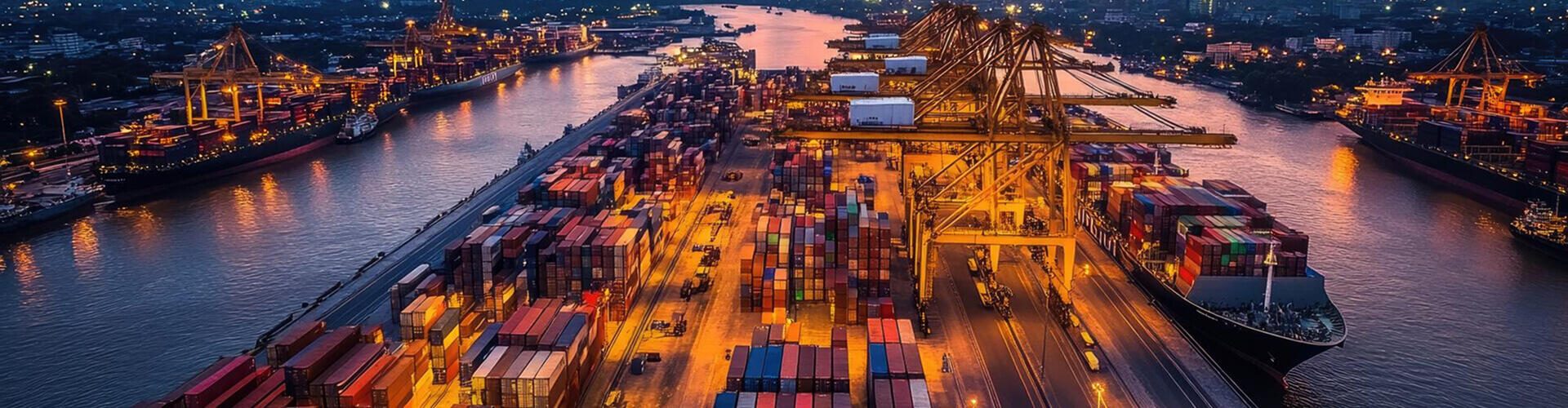
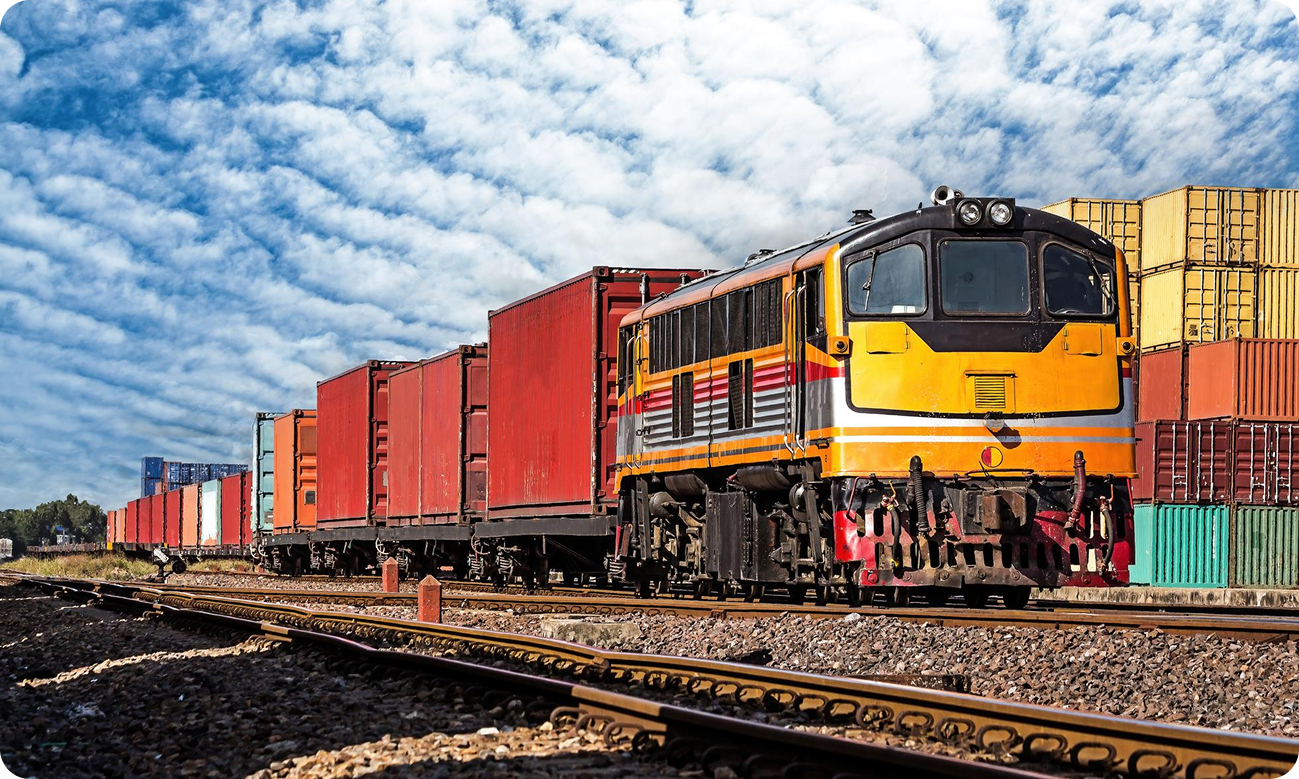
At Everdeliver Logistics Solutions, our Rail Personal Delivery service brings the strength of India's vast railway network to your long-haul needs — delivering bulk, containerized, or oversized cargo with unmatched efficiency, safety, and reliability.
We partner with a strong, trusted network of rail operators, terminals, and logistics coordinators to offer consistent schedules, large carrying capacity, and seamless multimodal connectivity (rail ↔ road ↔ port). Whether moving heavy commodities (coal, cement, steel, minerals, agricultural produce), containerized goods, or industrial loads, we ensure every consignment is handled with personal attention from origin to destination.
Whether supporting heavy industries or facilitating nationwide trade, railway freight plays a crucial role in strengthening supply chains and ensuring uninterrupted movement of essential goods across large geographic regions.
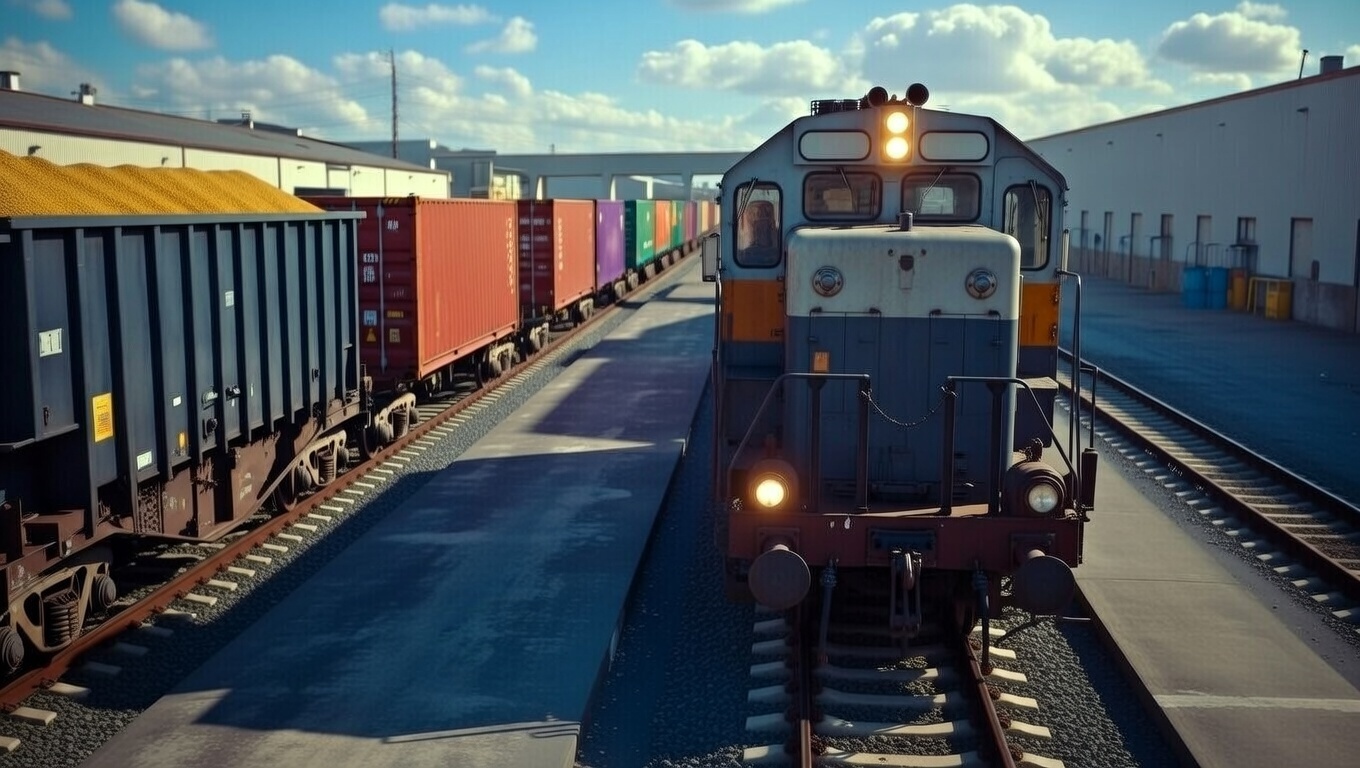
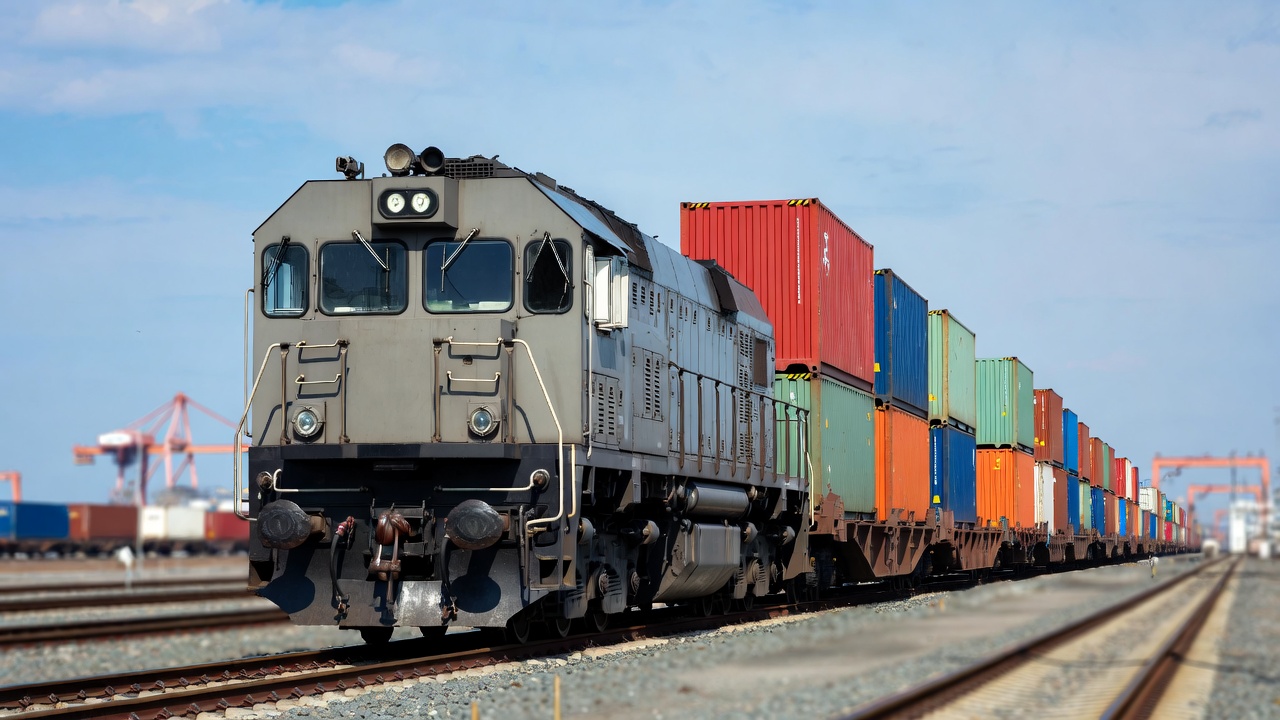
Rail freight with Everdeliver is more than transport — it's a safe, communicative, and result-driven extension of your business, powering nationwide growth with efficiency and care. Your Trust, Delivered Every Time — now on the rails too.